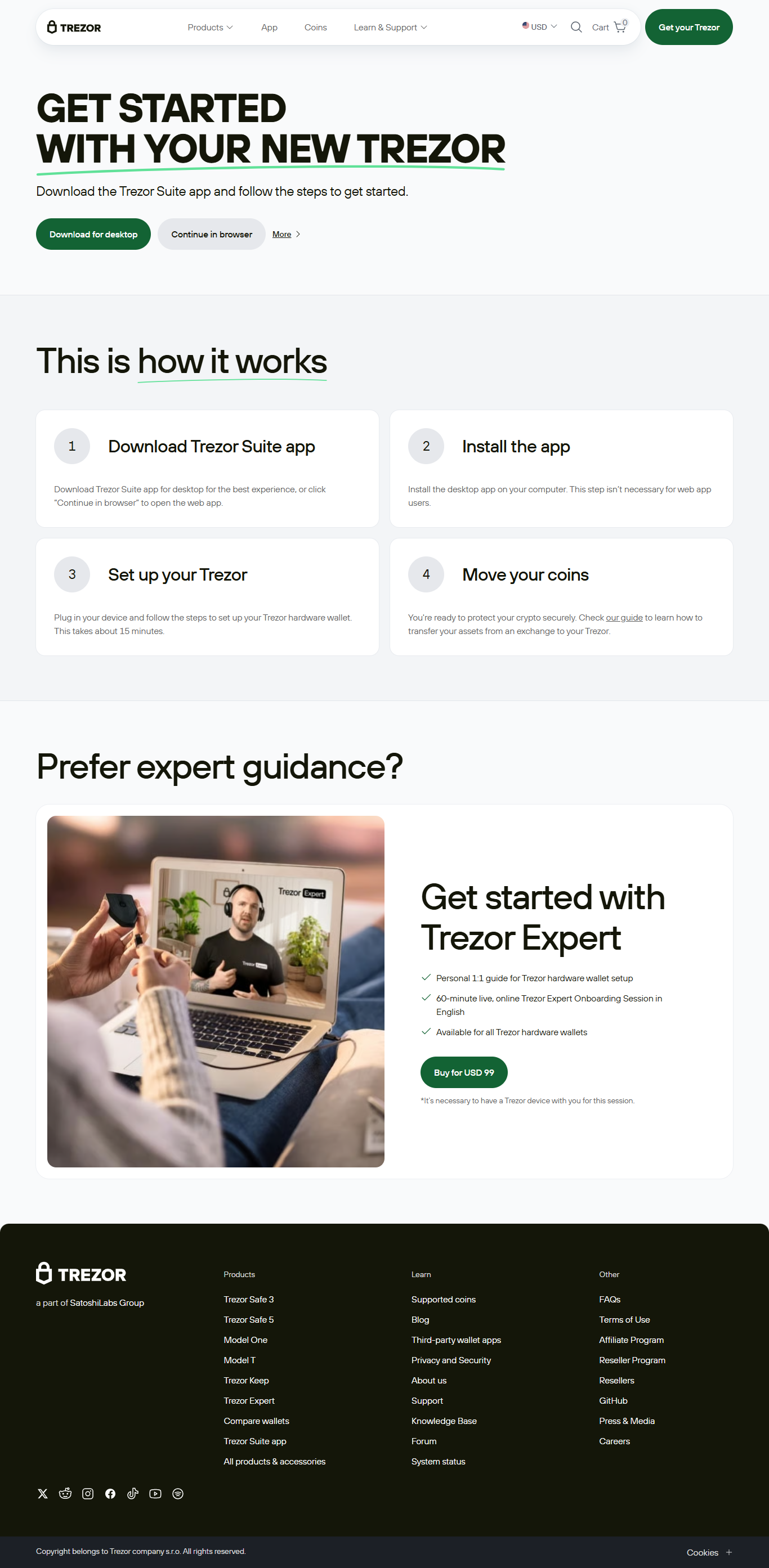
Trezor Bridge Software | Secure Wallet Connectivity
As cryptocurrencies become an essential part of digital finance, secure access to wallets and blockchain networks is critical. The Trezor Bridge software provides a safe, seamless, and reliable connection between your Trezor hardware wallet and your computer or browser. Designed by SatoshiLabs, Trezor Bridge ensures that users can manage their digital assets with maximum security and convenience.
This article explores the Trezor Bridge software, its purpose, features, security protocols, compatibility, and best practices, illustrating why it is a cornerstone of the Trezor ecosystem.
What Is Trezor Bridge?
Trezor Bridge is a software application that enables communication between a Trezor hardware wallet and a web browser or desktop application. It acts as a secure intermediary layer, allowing the Trezor device to interact with Trezor Suite, web-based wallet interfaces, or supported crypto applications.
While your Trezor device keeps private keys offline, Trezor Bridge ensures that transactions, wallet management, and device configurations can be executed smoothly on connected devices. This software is essential for users who want reliable wallet connectivity without sacrificing security.
Why Trezor Bridge Is Important
Without Trezor Bridge, your computer or browser cannot reliably communicate with the Trezor hardware wallet. While older interfaces relied on browser-specific extensions, Trezor Bridge modernized the connection by providing:
Cross-platform compatibility – Works on Windows, macOS, and Linux
Secure device communication – Prevents malware or external attacks from intercepting private keys
Browser-independent access – Supports Chrome, Firefox, Edge, and other major browsers
Seamless integration with Trezor Suite – Ensures smooth management of wallets and transactions
In short, Trezor Bridge is the essential link that allows users to leverage the full power of the Trezor ecosystem safely.
How Trezor Bridge Works
Trezor Bridge functions as a local communication layer between your hardware wallet and your computer or browser. Here’s how it works:
Connection Initialization – When you plug in a Trezor device, Trezor Bridge detects it and establishes a secure communication channel.
Transaction Preparation – The connected software (Trezor Suite or compatible web wallet) prepares the transaction details.
Secure Signing – The Trezor hardware wallet signs the transaction internally. Private keys never leave the device.
Transaction Broadcast – The signed transaction is sent to the blockchain via the software interface.
This system ensures that all sensitive operations occur on the device itself, preventing malware or hackers from intercepting transactions.
Key Features of Trezor Bridge
1. Secure Device Communication
Trezor Bridge ensures that all data exchanged between your hardware wallet and your software interface is encrypted and authenticated. This prevents unauthorized devices from accessing your wallet and protects against man-in-the-middle attacks.
2. Cross-Platform Compatibility
Trezor Bridge is compatible with all major operating systems:
Windows (7 or later)
macOS
Linux
This ensures that users can manage their wallets regardless of their computer setup.
3. Browser Independence
Unlike older web extensions that tied users to specific browsers, Trezor Bridge works across all modern browsers, including Chrome, Firefox, Edge, and Brave. This flexibility allows users to manage assets without browser restrictions.
4. Seamless Integration with Trezor Suite
Trezor Bridge enables Trezor Suite to detect and communicate with hardware wallets automatically. Users can:
Check portfolio balances
Send and receive cryptocurrencies
Buy, sell, and swap assets
Manage security settings and firmware updates
5. Minimal System Impact
The software runs in the background without consuming significant system resources. Once installed, it automatically detects connected devices and maintains a stable connection without manual intervention.
Security Measures in Trezor Bridge
Trezor Bridge prioritizes user security and privacy. While private keys remain safely on the hardware device, Bridge ensures that all communications are encrypted and authenticated.
Security Features Include:
Encrypted communication between device and software
Authentication checks to confirm that the connected device is genuine
No private key exposure at any point during transactions
Automatic updates to patch security vulnerabilities
These measures, combined with the security of the Trezor hardware wallet, create a robust system for managing digital assets safely.
Compatibility with Wallets and Services
Trezor Bridge allows your hardware wallet to interact not only with Trezor Suite but also with other compatible crypto applications, such as:
Web-based wallets (e.g., MyCrypto, MyEtherWallet)
Blockchain explorers for balance and transaction tracking
Decentralized finance (DeFi) applications for staking, lending, or swapping
Cryptocurrency exchanges that support hardware wallet connections
This compatibility ensures that Trezor users can access a wide range of crypto services without compromising security.
Setting Up Trezor Bridge
Setting up Trezor Bridge is straightforward and requires minimal technical knowledge:
Download the official software from the Trezor website.
Install the software on your desktop (Windows, macOS, or Linux).
Connect your Trezor device via USB.
Verify device authenticity using the on-screen prompts.
Access Trezor Suite or a compatible browser interface to manage your assets.
Once installed, Trezor Bridge runs in the background, detecting your device automatically whenever it is connected.
Troubleshooting and Best Practices
To ensure optimal performance:
Keep Bridge updated – New updates improve stability and security.
Restart the application or browser if the device is not detected.
Verify device authenticity before performing transactions.
Use official sources for downloading Trezor Bridge to prevent phishing or malicious software.
Disable unnecessary browser extensions that could interfere with connectivity.
Following these practices ensures a smooth and secure experience with your hardware wallet.
Advantages of Using Trezor Bridge
Reliable connectivity across operating systems and browsers
Secure and encrypted communication between wallet and software
Supports Trezor Suite and third-party wallets
Minimal system resource usage
Automatic detection of hardware wallets
By bridging the gap between hardware and software, Trezor Bridge enhances both security and convenience.
Limitations and Considerations
While Trezor Bridge is a robust solution, users should be aware of:
Hardware dependence – Requires a Trezor device for full functionality
Initial setup – Some users may need to install drivers or dependencies on certain operating systems
Browser configuration – Some browser security settings may interfere with connectivity
Despite these minor considerations, Trezor Bridge remains essential for secure and seamless hardware wallet operations.
Conclusion
The Trezor Bridge software is a vital component of the Trezor ecosystem, providing secure wallet connectivity and enabling users to manage cryptocurrencies safely and efficiently. By acting as a bridge between hardware wallets and software interfaces, it ensures that private keys remain offline while allowing transactions, portfolio management, and device configuration to occur seamlessly.
Whether you are using Trezor Suite, web wallets, or other supported services, Trezor Bridge delivers cross-platform compatibility, browser independence, and encrypted communication, making it a must-have for anyone serious about crypto security.
For users who value security, reliability, and privacy, Trezor Bridge is not just an accessory—it is the backbone of secure hardware wallet management.