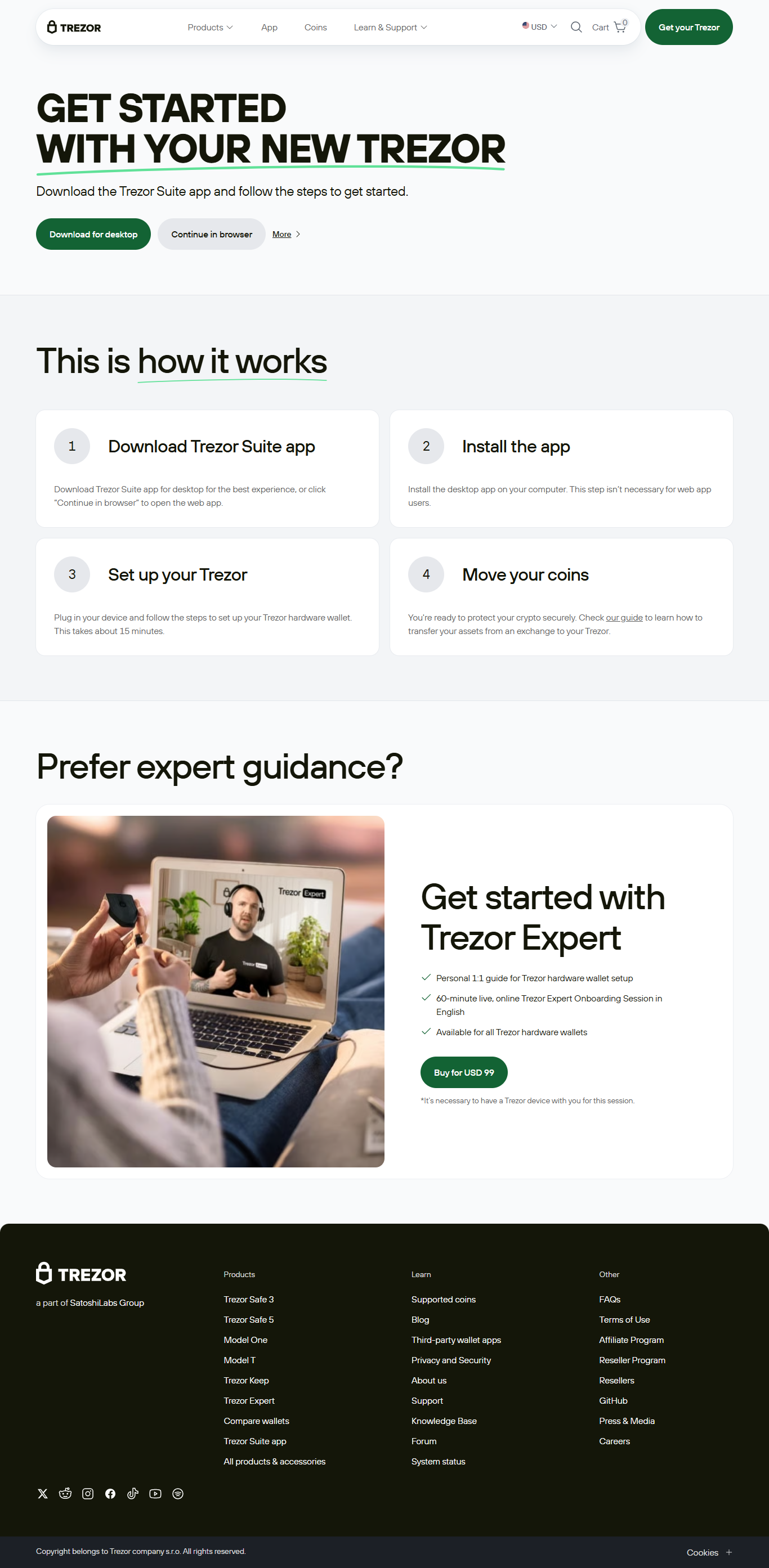
Trezor Bridge | Essential Crypto Wallet Integration Tool
As cryptocurrency adoption grows, secure access to digital assets is more critical than ever. While hardware wallets like Trezor Model One and Trezor Model T provide industry-leading security, users also need a reliable method to interface these devices with desktop and web applications. Trezor Bridge serves as the essential integration tool, enabling smooth communication between Trezor hardware wallets and the Trezor Suite Wallet Software, browsers, and other supported platforms.
Developed by SatoshiLabs, Trezor Bridge ensures that private keys remain secure while allowing users to interact with their wallets safely. It functions as a secure middleware layer that connects your hardware wallet to your computer, providing seamless management of cryptocurrency assets.
What Is Trezor Bridge?
Trezor Bridge is a lightweight software application that acts as a communication bridge between your Trezor hardware wallet and your computer or browser. It allows the Trezor device to communicate securely with the Trezor Suite app, browser-based wallet interfaces, and third-party integrations without exposing sensitive data.
Unlike standard USB communication protocols, Trezor Bridge is optimized for cryptography-focused, hardware-backed security, ensuring that private keys never leave the device. It supports multiple operating systems, including Windows, macOS, and Linux, making it a versatile tool for cryptocurrency users worldwide.
Why Trezor Bridge Is Essential
Trezor hardware wallets are secure by design, but interacting with cryptocurrencies requires a safe interface. Trezor Bridge plays a critical role in ensuring that this interaction is both secure and seamless. Here’s why it is essential:
1. Secure Communication
Trezor Bridge establishes an encrypted connection between the hardware wallet and the computer. This ensures that transaction data, public keys, and other sensitive information cannot be intercepted or tampered with by malicious software.
2. Cross-Platform Compatibility
Trezor Bridge works across multiple operating systems and browsers, eliminating compatibility issues. Whether using the Trezor Suite desktop app or a web-based wallet interface, Trezor Bridge enables smooth device communication.
3. Enables Modern Browsers
Many modern browsers have strict USB communication policies. Trezor Bridge acts as a standardized interface that allows browsers to securely interact with Trezor hardware wallets without requiring complex configurations.
4. Plug-and-Play Convenience
With Trezor Bridge installed, connecting a Trezor device is as simple as plugging it into your computer. The software handles the low-level communication automatically, allowing users to focus on managing their digital assets.
How Trezor Bridge Works
Trezor Bridge operates as middleware between your hardware wallet and the computer or browser. Here’s a simplified overview of how it functions:
Device Connection: When you plug in a Trezor hardware wallet, Trezor Bridge detects the device.
Secure Session Establishment: Trezor Bridge creates an encrypted communication channel between the device and the software.
Transaction Data Exchange: All data, including transaction details, addresses, and cryptographic keys, is transmitted securely through the bridge.
User Verification: Transactions and sensitive actions must be confirmed physically on the Trezor device.
Completion: Once confirmed, Trezor Bridge relays the signed transaction to the wallet software or blockchain network.
This process ensures that private keys never leave the Trezor device while enabling a smooth and secure user experience.
Key Features of Trezor Bridge
Trezor Bridge is lightweight yet powerful, offering several features that make it an essential tool for Trezor users.
1. Secure USB Communication
All communication between your computer and the hardware wallet is encrypted, protecting your assets from malware and unauthorized access.
2. Compatibility with Trezor Suite
Trezor Bridge integrates seamlessly with the Trezor Suite Wallet Software, enabling full access to all wallet functions, including portfolio management, sending/receiving cryptocurrencies, and device management.
3. Browser Integration
Trezor Bridge allows web-based interfaces to securely connect to your Trezor device. Users can interact with decentralized applications (dApps), exchanges, and other crypto services without compromising security.
4. Automatic Updates
Trezor Bridge regularly receives updates to improve performance, security, and compatibility with new operating system releases and browser versions.
5. Lightweight and Efficient
The software is small and runs quietly in the background, consuming minimal system resources while ensuring uninterrupted wallet access.
Supported Platforms and Requirements
Trezor Bridge is designed for maximum accessibility, supporting major operating systems and browsers:
Operating Systems: Windows 10+, macOS 10.13+, Linux (Debian, Ubuntu, Fedora)
Browsers: Google Chrome, Mozilla Firefox, Microsoft Edge, Brave, and other Chromium-based browsers
Hardware Wallets: Trezor Model One, Trezor Model T
Users simply need to download and install the latest version of Trezor Bridge to start managing their assets securely.
Installation and Setup
Installing Trezor Bridge is straightforward and user-friendly:
Download: Obtain the latest version of Trezor Bridge from the official Trezor website.
Install: Follow the installation instructions for your operating system.
Connect Device: Plug your Trezor hardware wallet into your computer.
Access Wallet: Open Trezor Suite or your preferred compatible browser interface. The bridge automatically facilitates the connection.
Once installed, Trezor Bridge runs silently in the background, providing secure communication whenever the Trezor device is connected.
Advantages of Using Trezor Bridge
Enhanced Security
Trezor Bridge ensures that private keys never leave the hardware device. By acting as an encrypted communication layer, it minimizes the risk of exposure to malware, keyloggers, and unauthorized access.
Seamless Integration
With Trezor Bridge, users can easily integrate their hardware wallets with the Trezor Suite software, browser-based wallets, and third-party applications. It eliminates the need for complex USB configurations or driver installations.
Cross-Platform Accessibility
Whether on Windows, macOS, Linux, or compatible browsers, Trezor Bridge ensures that users can access their wallets securely from virtually any environment.
User-Friendly Experience
By automating the low-level communication between the hardware device and software, Trezor Bridge allows users to focus on asset management without worrying about technical setup or configuration.
Use Cases for Trezor Bridge
Trezor Bridge is not just a technical utility—it is central to secure crypto asset management. Common use cases include:
Portfolio Management: Access Trezor Suite Wallet Software to view balances, transaction history, and portfolio allocation.
Transaction Execution: Send and receive cryptocurrency securely with confirmation on the hardware device.
dApp Interaction: Connect to decentralized applications while keeping private keys offline.
Exchange Integration: Use Trezor hardware wallets with compatible crypto exchanges for secure transactions.
Device Management: Update firmware, configure settings, or create recovery backups through Trezor Suite.
Frequently Asked Questions (FAQ)
Q: Is Trezor Bridge safe to use?
A: Yes. Trezor Bridge encrypts all communication between your hardware wallet and computer, ensuring private keys remain offline and secure.
Q: Do I need Trezor Bridge for my Trezor wallet?
A: Yes, if you want to use Trezor Suite on a desktop or access web-based interfaces. It acts as the essential middleware for secure communication.
Q: Which devices support Trezor Bridge?
A: Trezor Model One and Trezor Model T are fully compatible with Trezor Bridge.
Q: Can I use Trezor Bridge on mobile devices?
A: Currently, Trezor Bridge is designed for desktop operating systems and browsers. Mobile support is limited to Trezor-compatible apps.
Conclusion
Trezor Bridge is an essential crypto wallet integration tool that enables secure, reliable communication between Trezor hardware wallets and desktop or web applications. By providing a lightweight, encrypted bridge for private key operations, it ensures that users can manage, trade, and interact with cryptocurrencies safely without compromising security.
For anyone using a Trezor hardware wallet, Trezor Bridge is not just a convenience—it is a critical component of safe crypto asset management, enabling seamless integration with Trezor Suite, web interfaces, and third-party applications. Whether you are a long-term holder, active trader, or blockchain enthusiast, Trezor Bridge ensures that your digital assets remain protected while providing a smooth, user-friendly experience.