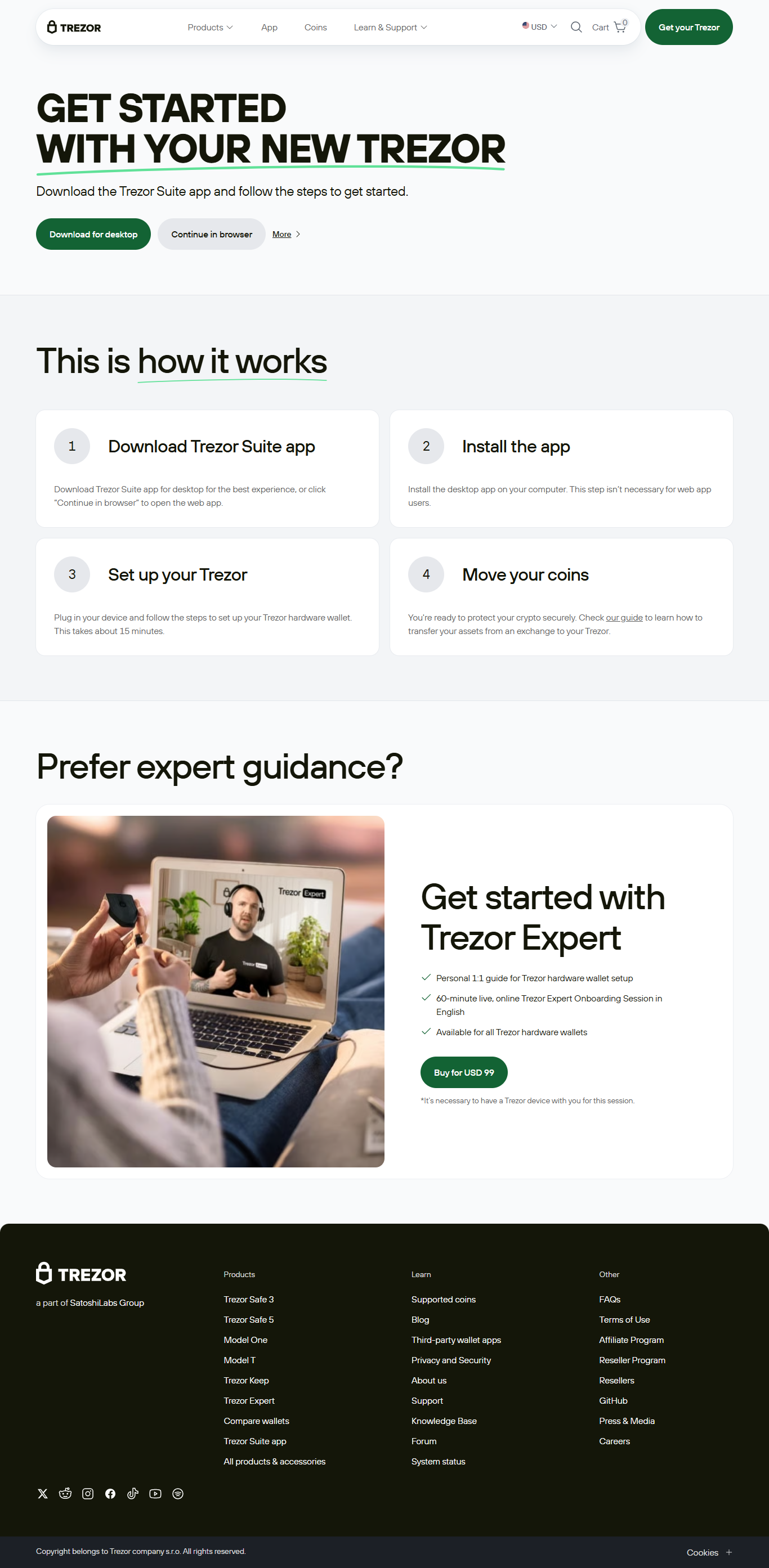
Trezor Bridge Software | Reliable Wallet Communication
In today’s digital economy, securing cryptocurrencies is more critical than ever. While hardware wallets like Trezor Model One and Trezor Model T provide industry-leading protection for digital assets, managing and interacting with these devices requires a secure, seamless communication layer. This is where Trezor Bridge Software comes in—a lightweight yet powerful tool that ensures reliable and safe communication between Trezor hardware wallets and computers, browsers, or applications.
Developed by SatoshiLabs, Trezor Bridge Software acts as a secure middleware interface, allowing users to interact with the blockchain, send and receive cryptocurrencies, and manage assets through the Trezor Suite Wallet Software or supported web interfaces. It bridges the gap between hardware-level security and software convenience, enabling a smooth, secure experience for both beginners and experienced users.
What Is Trezor Bridge Software?
Trezor Bridge Software is a communication protocol and desktop application that facilitates interaction between Trezor hardware wallets and the user’s operating system or browser. It ensures that private keys never leave the hardware wallet, while enabling full functionality with wallet management tools.
Without Trezor Bridge, many modern browsers and operating systems would struggle to securely connect with a Trezor device. The software acts as a trusted layer that translates commands and transaction data between your computer and hardware wallet. This makes Trezor Bridge an essential tool for anyone using a Trezor wallet.
Why Trezor Bridge Is Important
Trezor hardware wallets are known for their high-security design, but interacting with them safely requires a reliable communication interface. Trezor Bridge Software is critical because it:
Ensures Secure Communication: Encrypts all data exchanged between the wallet and computer.
Supports Multiple Platforms: Works on Windows, macOS, Linux, and modern browsers.
Enables Browser-Based Access: Allows Trezor devices to interact with web wallets, dApps, and exchanges.
Simplifies User Experience: Automatically handles USB communication, so users can focus on managing assets.
Without Trezor Bridge, users would face compatibility issues, especially with modern browsers that restrict direct USB access for security reasons.
Key Features of Trezor Bridge Software
1. Encrypted USB Communication
Trezor Bridge ensures that all communication between the hardware wallet and your computer is encrypted. This prevents malware, keyloggers, or other malicious actors from intercepting sensitive data, such as transaction details or public keys.
2. Seamless Integration with Trezor Suite
Trezor Suite Wallet Software is the official interface for managing Trezor hardware wallets. Trezor Bridge enables seamless connection between your device and the suite, providing access to:
Sending and receiving cryptocurrencies
Portfolio overview and transaction history
Device management and firmware updates
3. Browser Compatibility
Modern browsers enforce strict USB communication policies. Trezor Bridge Software allows browsers such as Chrome, Firefox, Edge, and Brave to interact safely with Trezor hardware wallets, enabling users to connect to decentralized applications (dApps) and web-based wallets.
4. Lightweight and Efficient
The software runs quietly in the background, consuming minimal system resources. Its lightweight design ensures that users experience fast and reliable wallet connections without performance issues.
5. Automatic Updates
Trezor Bridge receives regular updates to maintain compatibility with the latest operating systems, browsers, and Trezor hardware firmware. This keeps the bridge reliable and secure over time.
How Trezor Bridge Works
Trezor Bridge Software acts as a translator between your Trezor device and the computer or browser. Here’s a simplified overview:
Device Detection: When the Trezor wallet is connected, Trezor Bridge identifies the device.
Encrypted Communication Channel: The bridge establishes a secure channel between the wallet and your computer.
Data Transmission: Transaction details, public keys, and other commands are transmitted securely.
Physical Confirmation: Users confirm transactions directly on the Trezor device.
Completion: Signed transactions are transmitted back through Trezor Bridge to the wallet software or blockchain network.
This process ensures that private keys never leave the hardware wallet, maintaining the highest level of security.
Supported Platforms
Trezor Bridge Software is designed for accessibility and cross-platform compatibility:
Operating Systems: Windows 10+, macOS 10.13+, Linux (Debian, Ubuntu, Fedora)
Browsers: Google Chrome, Mozilla Firefox, Microsoft Edge, Brave
Hardware Wallets: Trezor Model One, Trezor Model T
The software is easy to install and compatible with a wide range of devices, making it versatile for all types of crypto users.
Installation and Setup
Setting up Trezor Bridge Software is quick and straightforward:
Download: Obtain the latest version from the official Trezor website.
Install: Follow the on-screen instructions for your operating system.
Connect Trezor Device: Plug in your Trezor hardware wallet.
Access Wallet Software: Open Trezor Suite or a compatible browser interface. Trezor Bridge automatically establishes a secure connection.
Once installed, Trezor Bridge runs in the background, enabling reliable communication whenever the device is connected.
Advantages of Using Trezor Bridge Software
Enhanced Security
All communication between the Trezor device and computer is encrypted, reducing the risk of malware attacks or unauthorized access. Transactions must always be physically confirmed on the device.
Cross-Platform Accessibility
Trezor Bridge works on major operating systems and modern browsers, ensuring reliable access regardless of your setup.
Simplified User Experience
By handling low-level USB communication automatically, Trezor Bridge allows users to focus on cryptocurrency management without technical obstacles.
Reliable dApp and Web Wallet Integration
Trezor Bridge enables seamless interaction with decentralized applications, exchanges, and web-based wallet platforms while keeping private keys secure.
Use Cases for Trezor Bridge Software
Trezor Bridge Software is central to many crypto workflows:
Secure Portfolio Management: Connect Trezor devices to Trezor Suite to monitor balances, transactions, and asset allocation.
Transaction Execution: Send and receive cryptocurrencies securely, verified on the hardware device.
dApp Interaction: Connect safely to decentralized applications for trading, lending, or staking.
Exchange Integration: Perform secure trades on supported exchanges without exposing private keys.
Firmware Updates: Use Trezor Suite to update device firmware safely via Trezor Bridge.
FAQs About Trezor Bridge Software
Q: Is Trezor Bridge Software safe?
A: Yes. It encrypts all communication between your Trezor wallet and computer, keeping private keys offline and secure.
Q: Do I need Trezor Bridge to use my wallet?
A: Yes, if you want to use Trezor Suite or web-based wallet interfaces with a Trezor device.
Q: Which Trezor devices are compatible?
A: Both Trezor Model One and Trezor Model T are fully supported.
Q: Can I use Trezor Bridge on mobile devices?
A: Trezor Bridge is primarily designed for desktops. Mobile wallet access typically uses Trezor-compatible mobile apps instead.
Conclusion
Trezor Bridge Software is a critical component of secure cryptocurrency management. Acting as a bridge between hardware wallets and computers or web applications, it ensures reliable wallet communication, seamless integration with Trezor Suite, and compatibility with modern browsers. By encrypting all data and requiring physical transaction confirmation, it guarantees that private keys remain secure at all times.
For users seeking a secure, reliable, and user-friendly way to interact with their Trezor hardware wallets, Trezor Bridge Software is not just optional—it is essential. Whether you are managing a portfolio, executing transactions, interacting with dApps, or updating your device firmware, Trezor Bridge provides the foundation for safe and efficient crypto asset management.