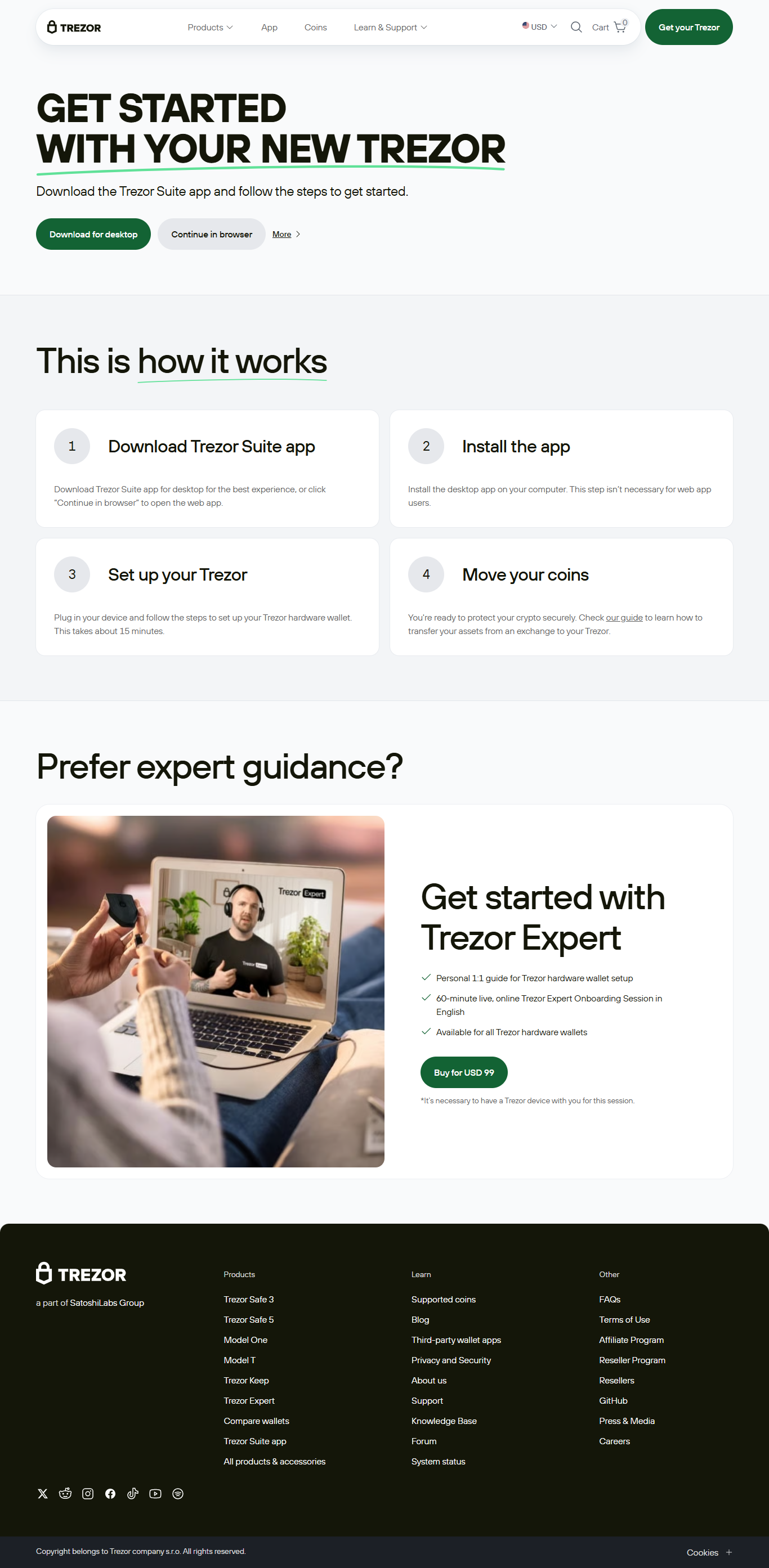
Trezor Bridge – Secure Link Between Wallet & Apps
In the fast-paced world of cryptocurrency, security and convenience must go hand in hand. Hardware wallets, like the Trezor Model One and Trezor Model T, are widely regarded as one of the most secure ways to store digital assets. However, to effectively manage, send, receive, and exchange cryptocurrencies from a computer or browser, a secure communication channel is required. This is where Trezor Bridge plays a vital role. It acts as the secure link between your Trezor hardware wallet and the applications you use to manage crypto, ensuring that your assets remain protected while still offering a seamless user experience.
Trezor Bridge is an essential component of the Trezor ecosystem, designed to bridge the gap between offline hardware security and online functionality, enabling users to manage their crypto portfolios safely and efficiently.
What Is Trezor Bridge?
Trezor Bridge is a lightweight software application that facilitates communication between your Trezor hardware wallet and your computer or web-based crypto applications. Unlike traditional wallets that store private keys online, Trezor hardware wallets keep all sensitive data offline. Trezor Bridge ensures that these offline keys can securely interact with applications like Trezor Suite or compatible third-party wallets without ever exposing private keys to the internet.
The software is compatible with Windows, macOS, and Linux, and works seamlessly with modern browsers like Chrome, Firefox, and Edge. It is simple to install, automatically updates for security, and enables smooth interaction between your wallet and applications.
Why Trezor Bridge Is Important
For any Trezor hardware wallet to function with desktop or web applications, a secure intermediary is necessary. Trezor Bridge fulfills this purpose by:
Establishing Encrypted Communication – All data exchanged between the hardware wallet and the computer is encrypted, protecting against malware or interception.
Ensuring Compatibility – Works across multiple operating systems and browsers, making it accessible to a wide range of users.
Supporting Applications – Enables secure integration with Trezor Suite, third-party wallets, and exchange platforms.
Maintaining Device Security – Guarantees that private keys remain offline and never leave the Trezor hardware device.
Without Trezor Bridge, your hardware wallet would have limited functionality, making it difficult to manage your cryptocurrency efficiently and securely.
Key Features of Trezor Bridge
1. Secure Communication Channel
Trezor Bridge provides encrypted data transmission between your computer and hardware wallet. This ensures that sensitive information, including transaction data and account details, is protected from external threats.
2. Cross-Platform Compatibility
The software works seamlessly on Windows, macOS, and Linux, and supports modern web browsers. This cross-platform functionality ensures that users can access their wallets from virtually any system.
3. Seamless Integration with Trezor Suite
Trezor Bridge allows hardware wallets to connect to Trezor Suite, the official crypto management platform. Through this integration, users can:
View balances across multiple cryptocurrencies
Send and receive funds securely
Track transaction history
Buy, sell, and exchange digital assets
All transactions are verified on the hardware device, maintaining top-tier security standards.
4. Automatic Updates
The software updates automatically to maintain compatibility with Trezor firmware, operating systems, and supported browsers. Updates also include security patches to address potential vulnerabilities.
5. Privacy-Focused Design
Trezor Bridge does not collect user data, track activities, or store sensitive information. Its design prioritizes self-sovereignty, giving users full control over their assets and personal information.
How Trezor Bridge Works
Understanding the workflow of Trezor Bridge highlights why it is critical for secure cryptocurrency management:
Device Connection – The Trezor hardware wallet is connected to your computer via USB.
Bridge Activation – Trezor Bridge recognizes the hardware wallet and establishes a secure communication channel.
Encrypted Data Transfer – All information transmitted between the wallet and your applications is encrypted.
Transaction Verification – Any operation requiring approval, such as sending crypto or changing settings, must be confirmed on the hardware device.
Application Interaction – Once verified, transaction and portfolio data are displayed on your desktop or web application interface.
This workflow ensures that private keys never leave the hardware wallet, providing maximum security while enabling online functionality.
Installing and Using Trezor Bridge
Trezor Bridge is designed for easy installation and use. Follow these steps to set it up:
Step 1: Download Trezor Bridge
Visit the official Trezor website and download the latest version for your operating system.
Step 2: Install the Software
Run the installer and follow the instructions. Trezor Bridge is lightweight and installs quickly.
Step 3: Connect Your Trezor Device
Plug your Trezor hardware wallet into your computer via USB. Trezor Bridge automatically detects the device.
Step 4: Launch Trezor Suite or Supported Applications
Open Trezor Suite or a compatible web-based wallet. The bridge enables secure communication, allowing full access to your accounts and portfolio.
Step 5: Verify Actions On-Device
Any transactions, settings changes, or critical actions must be confirmed on your Trezor device. This ensures that no unauthorized operation occurs.
Advantages of Using Trezor Bridge
Enhanced Security
All data transmitted between your hardware wallet and applications is encrypted. Combined with on-device transaction verification, this significantly reduces the risk of hacks.
Seamless Experience
Trezor Bridge eliminates compatibility issues and allows smooth interaction between your wallet, desktop applications, and web platforms.
Regular Updates
Automatic updates ensure that the bridge remains compatible with the latest operating systems, browsers, and Trezor firmware, while also addressing security vulnerabilities.
Privacy-Oriented
The software respects user privacy, collecting no personal data or sensitive information.
Wide Compatibility
Trezor Bridge supports Trezor Suite and trusted third-party applications, allowing users to manage assets securely across multiple platforms.
Trezor Bridge and Self-Sovereignty
Self-sovereignty is a core principle of cryptocurrency: the ability to control your funds without reliance on third parties. Trezor Bridge reinforces this principle by:
Keeping private keys offline at all times
Requiring physical confirmation for transactions and sensitive actions
Enabling secure interaction with applications without exposing funds to online threats
This approach allows users to maintain full control over their crypto assets, while still benefiting from modern portfolio management tools.
Common Use Cases
1. Portfolio Management
Connect your hardware wallet to Trezor Suite through Trezor Bridge to view balances, track performance, and manage multiple cryptocurrencies.
2. Secure Transactions
Send and receive funds safely, knowing that private keys never leave the Trezor device.
3. In-App Exchanges
Use the bridge to swap cryptocurrencies directly from your wallet without transferring funds to an exchange, reducing custodial risk.
4. Integration with Third-Party Applications
Trezor Bridge allows hardware wallets to interact securely with compatible third-party platforms.
5. Educational and Demo Purposes
Beginners can explore cryptocurrency management and learn how to use Trezor hardware wallets safely without exposing keys online.
Conclusion
Trezor Bridge – Secure Link Between Wallet & Apps is an indispensable part of the Trezor ecosystem. It ensures that users can securely connect their hardware wallets to desktop and web applications while keeping private keys offline. By providing encrypted communication, seamless integration, cross-platform compatibility, and privacy-focused design, Trezor Bridge allows users to manage their cryptocurrency assets confidently.
Whether you are a casual investor, a long-term HODLer, or an active trader, Trezor Bridge bridges the gap between offline security and online accessibility. It empowers users to interact with their crypto safely, efficiently, and privately, reinforcing the core values of control, transparency, and self-sovereignty in the digital financial world.
With Trezor Bridge, managing crypto is no longer a complicated or risky task—it becomes secure, seamless, and reliable, giving users the confidence they need to engage in the crypto economy.