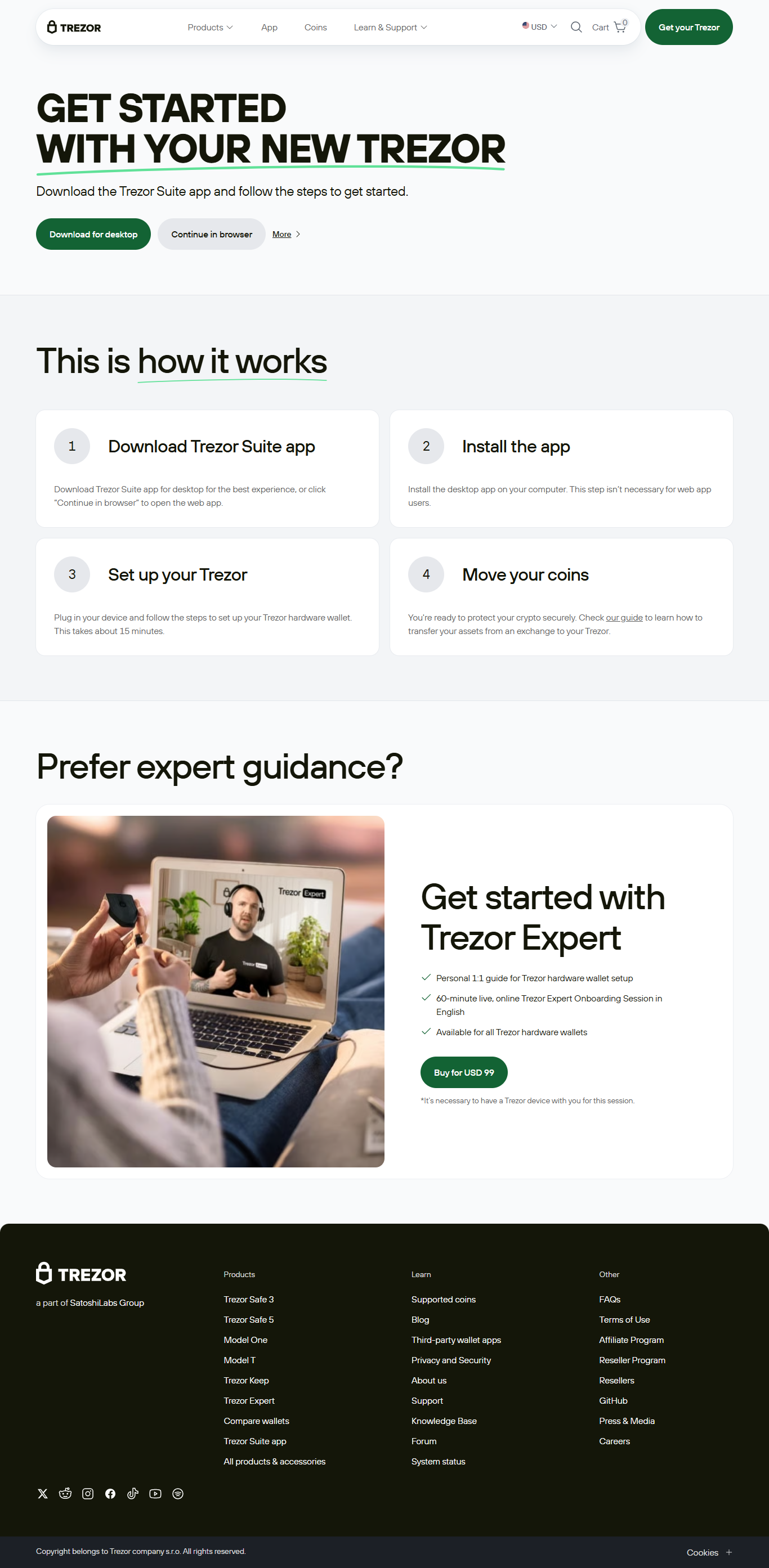
Trezor Bridge | Safe Communication for Crypto Devices
As cryptocurrency adoption grows worldwide, security and connectivity between hardware wallets and digital platforms have become essential. The Trezor Bridge software is a core component of the Trezor ecosystem, enabling secure, reliable, and seamless communication between Trezor hardware wallets and computers, browsers, or compatible applications. Designed by SatoshiLabs, Trezor Bridge ensures that users can manage their digital assets with maximum security while maintaining ease of use.
This article explores the purpose, features, security measures, compatibility, and best practices for Trezor Bridge, highlighting why it is indispensable for anyone using a Trezor device.
What Is Trezor Bridge?
Trezor Bridge is a software application that acts as a communication layer between a Trezor hardware wallet and a host device such as a computer or web browser. It allows hardware wallets to interact securely with Trezor Suite, web-based wallets, decentralized applications, and other compatible cryptocurrency platforms.
While the Trezor device stores private keys offline, Trezor Bridge ensures that commands, transaction requests, and portfolio management operations can be carried out without exposing sensitive data. It is essential for maintaining secure wallet connectivity in the Trezor ecosystem.
Why Trezor Bridge Is Important
Hardware wallets provide robust security, but without a proper connection layer, users cannot fully utilize their devices. Trezor Bridge addresses this challenge by providing:
Cross-platform connectivity – Works on Windows, macOS, and Linux
Browser-independent access – Supports Chrome, Firefox, Edge, Brave, and others
Encrypted device communication – Ensures data exchanged between the device and computer is secure
Seamless integration – Works with Trezor Suite and other supported applications
In short, Trezor Bridge is the secure bridge that links hardware wallet security to software usability, enabling a seamless crypto management experience.
How Trezor Bridge Works
Trezor Bridge functions as an intermediary between a connected Trezor hardware wallet and the user interface on a computer or browser. The process is designed to maximize security while maintaining usability:
Device Detection – When a Trezor device is connected via USB (or Bluetooth in supported models), Trezor Bridge automatically detects it.
Transaction Preparation – The Trezor Suite App or a compatible web wallet prepares the transaction or command.
Secure Signing – The transaction is signed directly on the Trezor hardware wallet. Private keys never leave the device.
Transaction Broadcast – The signed transaction is transmitted to the blockchain network via the host software.
This architecture ensures that all sensitive cryptographic operations occur offline, mitigating risks associated with malware, phishing, or network attacks.
Key Features of Trezor Bridge
1. Secure Communication
All data exchanged between Trezor devices and software interfaces is encrypted and authenticated, preventing unauthorized access or tampering during the transmission process.
2. Cross-Platform Support
Trezor Bridge runs on all major operating systems:
Windows 7 and later
macOS
Linux
This broad compatibility ensures that users can manage their cryptocurrency portfolios regardless of their operating system.
3. Browser Independence
Unlike legacy solutions that required browser-specific extensions, Trezor Bridge works with all modern web browsers, providing flexibility and reliability across Chrome, Firefox, Edge, and Brave.
4. Seamless Integration with Trezor Suite
Trezor Bridge allows Trezor Suite to automatically detect connected hardware wallets. Users can:
View portfolio balances
Send and receive cryptocurrencies
Buy, sell, or swap assets
Configure device security settings and firmware updates
5. Minimal System Impact
Once installed, Trezor Bridge operates in the background, consuming minimal system resources while maintaining continuous device detection and secure communication.
Security Features of Trezor Bridge
While the Trezor hardware wallet ensures private keys remain offline, Trezor Bridge adds an extra layer of security to protect the communication channel:
Encrypted Data Transmission – All communication between the device and software is encrypted.
Device Authentication – Confirms that the connected device is genuine and not a malicious clone.
No Private Key Exposure – Keys never leave the Trezor hardware device.
Automatic Updates – Keeps the software current with the latest security patches.
This combination of hardware and software security creates a trusted environment for managing digital assets.
Compatibility with Wallets and Applications
Trezor Bridge is compatible not only with Trezor Suite but also with a range of third-party applications and services:
Web-based wallets – MyCrypto, MyEtherWallet, and similar platforms
Decentralized Finance (DeFi) applications – For staking, lending, or swapping assets
Cryptocurrency exchanges – That support hardware wallet integration
Blockchain explorers – For monitoring balances and transaction history
This versatility allows users to interact securely with a wide array of blockchain services without compromising the safety of their private keys.
Setting Up Trezor Bridge
Installing and configuring Trezor Bridge is straightforward:
Download – Obtain the official Trezor Bridge software from the Trezor website.
Install – Run the installer on your desktop operating system.
Connect Your Device – Plug in your Trezor hardware wallet via USB (or Bluetooth where supported).
Verify Device Authenticity – Follow on-screen prompts to ensure your device is genuine.
Launch Trezor Suite or Compatible Applications – Begin managing your crypto assets securely.
Once installed, Trezor Bridge automatically detects connected devices and enables communication without further configuration.
Troubleshooting Common Issues
To maintain smooth operation:
Ensure Trezor Bridge is up-to-date
Restart the browser or application if the device is not detected
Verify that no other USB devices are conflicting with the Trezor connection
Disable browser extensions that may interfere with device communication
Reinstall Bridge if persistent issues occur
Following these steps ensures reliable connectivity and performance.
Advantages of Trezor Bridge
Reliable device communication across platforms and browsers
Secure and encrypted connections between wallet and software
Seamless integration with Trezor Suite and third-party wallets
Low system resource usage
Automatic device detection for a convenient user experience
Trezor Bridge ensures that the user experience does not compromise security, combining convenience with robust protection.
Limitations and Considerations
While Trezor Bridge is a robust and essential tool, there are some considerations:
Requires a Trezor hardware wallet for full functionality
Initial setup may require additional drivers on certain operating systems
Browser security settings can occasionally block device detection
Primarily focused on connectivity, not a standalone wallet
Despite these minor limitations, Trezor Bridge is crucial for secure and efficient cryptocurrency management.
Best Practices for Safe Usage
Use official downloads only from the Trezor website
Keep Bridge and Trezor Suite updated to patch vulnerabilities
Verify device authenticity before any transaction
Disconnect devices when not in use
Store hardware wallets securely to complement the software security
Following these practices ensures that your cryptocurrency transactions remain secure and uninterrupted.
Conclusion
The Trezor Bridge software is an indispensable component for anyone using a Trezor hardware wallet. By providing secure, encrypted, and reliable communication between the hardware device and software interfaces, it enables users to manage, trade, and monitor digital assets safely and efficiently.
With cross-platform compatibility, browser independence, seamless Trezor Suite integration, and robust security protocols, Trezor Bridge forms the backbone of the Trezor ecosystem. For cryptocurrency users who value security, privacy, and smooth connectivity, Trezor Bridge is not just software—it is the foundation for safe crypto device communication.
Whether you are sending Bitcoin, managing an Ethereum portfolio, or exploring decentralized applications, Trezor Bridge ensures that your hardware wallet remains secure while providing the flexibility and usability required in today’s digital finance landscape.