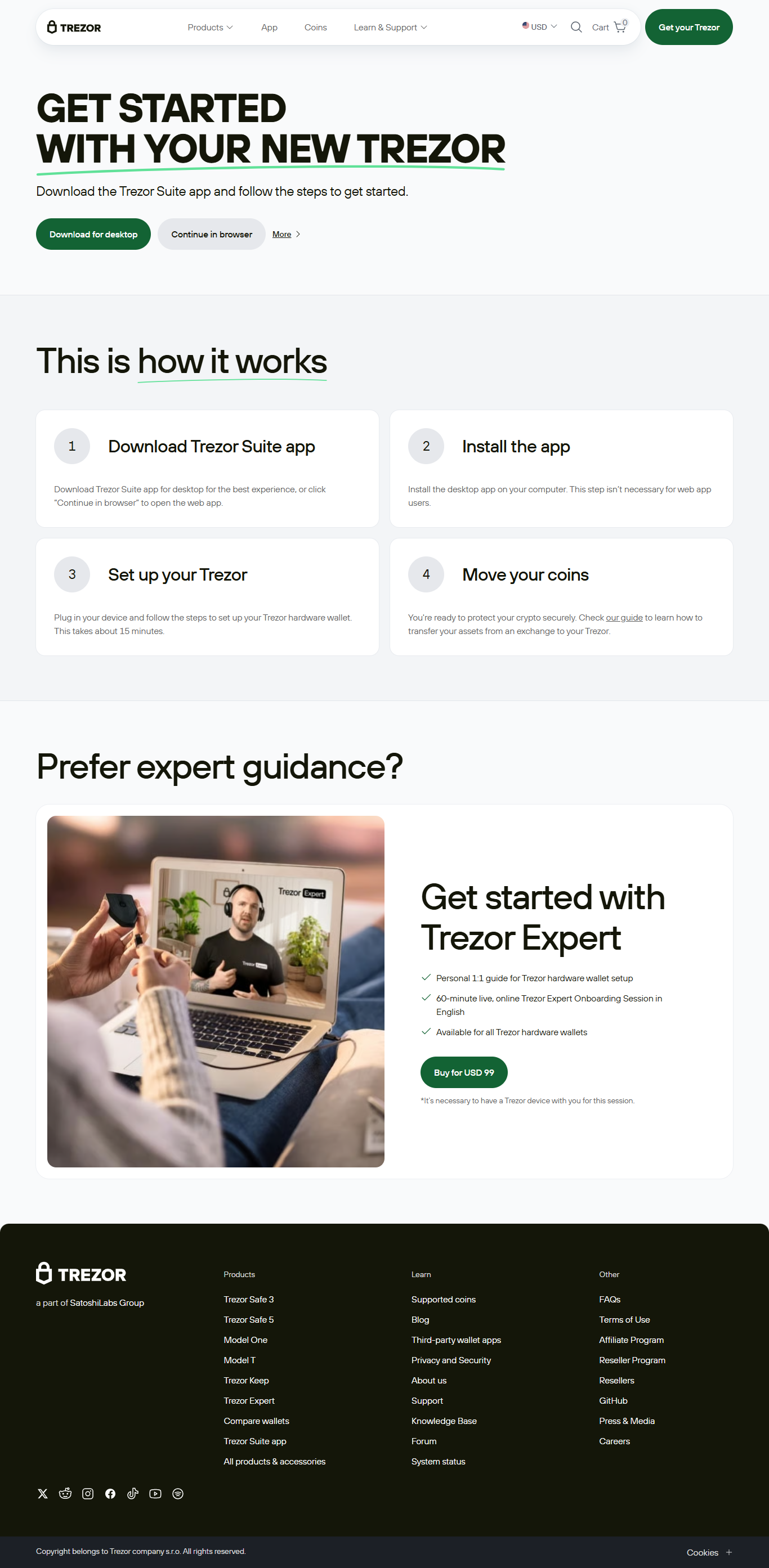
Trezor Bridge | Trusted Connection for Hardware Wallets
In the world of cryptocurrency, security and privacy are non-negotiable. Hardware wallets, like Trezor Model One and Trezor Model T, have become the gold standard for protecting digital assets because they store private keys offline, away from potential hackers. However, even the most secure hardware wallet requires a reliable and safe connection to your computer or browser. This is where Trezor Bridge comes in—a trusted connection for hardware wallets that enables seamless communication while ensuring security and privacy remain intact.
Developed by SatoshiLabs, the creators of Trezor hardware wallets, Trezor Bridge acts as a secure intermediary between your computer or web application and your hardware wallet. It allows you to send transactions, update firmware, and manage your portfolio safely and efficiently.
What Is Trezor Bridge?
Trezor Bridge is a lightweight software utility that allows your Trezor hardware wallet to communicate with your computer or browser-based applications, such as Trezor Suite or supported web wallets. Unlike direct USB connections or browser-only interfaces, Trezor Bridge provides secure, encrypted communication without exposing private keys or sensitive information.
In essence, Trezor Bridge serves as a trusted communication channel that ensures all sensitive operations—including transaction signing—occur on the hardware wallet itself, keeping your funds safe from malware and unauthorized access.
Why Trezor Bridge Is Essential
Without Trezor Bridge, your Trezor device cannot interact reliably with desktop or web applications. The Bridge is necessary for:
Secure wallet communication – Ensures your computer and Trezor device interact safely.
Transaction signing – Private keys remain offline while enabling transaction approval.
Firmware updates – Receive verified updates for your Trezor device.
Portfolio management – Enables Trezor Suite and compatible applications to monitor and manage crypto assets.
By installing Trezor Bridge, users guarantee a trusted, secure, and hassle-free connection for all wallet operations.
Safe and Easy Wallet Connectivity
The Trezor Bridge is designed for both simplicity and security, ensuring users of all experience levels can connect their hardware wallets safely.
Key Features
Cross-platform compatibility – Supports Windows, macOS, and Linux operating systems.
Automatic device recognition – Detects your Trezor hardware wallet instantly via USB.
Browser compatibility – Works with Chrome, Firefox, Edge, and other modern browsers.
Encrypted communication – All data between your device and computer is encrypted for security.
Lightweight installation – Minimal system resources required.
These features allow users to manage, send, receive, and exchange cryptocurrencies with confidence, without the risk of exposing private keys.
How to Download and Install Trezor Bridge
Installing Trezor Bridge is a straightforward process, designed to be accessible to users of all levels.
Step 1: Access the Official Website
Go to the official Trezor website: trezor.io/start. Always download from the official source to avoid malware or fake installers.
Step 2: Select Your Operating System
Trezor Bridge supports multiple platforms:
Windows – 32-bit and 64-bit versions
macOS – Compatible with modern versions
Linux – Supports major distributions
Select the version that corresponds to your device.
Step 3: Download the Installer
Click the download link to get the latest version of Trezor Bridge. The installer is lightweight and typically completes in just a few minutes.
Step 4: Run the Installer
Open the downloaded file and follow the on-screen instructions. Once installed, Trezor Bridge runs in the background and automatically detects any connected Trezor wallet.
Step 5: Verify Connection
Open Trezor Suite or a compatible web wallet. Your Trezor device should now appear. You may need to approve the connection directly on the hardware wallet.
Security Benefits of Trezor Bridge
Trezor Bridge is not just about convenience—it is a critical security tool.
1. Private Keys Stay Offline
All private keys are stored exclusively on the Trezor device. The Bridge transmits encrypted requests and responses, but private keys never leave the hardware wallet.
2. Encrypted Communication
Trezor Bridge encrypts all data exchanged between your computer and Trezor device. This prevents unauthorized interception and protects against malware or man-in-the-middle attacks.
3. Firmware Updates
Trezor Bridge enables your device to receive verified firmware updates, ensuring it always runs authentic and secure software.
4. Reduced Attack Surface
By isolating wallet communication from your operating system and browser, Trezor Bridge minimizes potential attack vectors for malicious software.
Compatibility With Trezor Suite and Web Interfaces
Trezor Bridge works seamlessly with the Trezor Suite Official App, allowing users to manage multiple cryptocurrencies, track portfolio performance, and execute transactions efficiently.
It also supports web-based wallets and blockchain explorers, including:
Exchange platforms compatible with hardware wallets
Blockchain explorers for verification purposes
Third-party applications that support Trezor integration
Regardless of the platform, Trezor Bridge ensures private keys remain offline while enabling smooth operation.
Supported Cryptocurrencies
Using Trezor Bridge in combination with Trezor Suite or compatible interfaces allows management of a wide variety of cryptocurrencies:
Bitcoin (BTC)
Ethereum (ETH) and ERC-20 tokens
Litecoin (LTC)
Cardano (ADA)
Ripple (XRP)
Polygon (MATIC)
Thousands of other altcoins
Regular updates ensure compatibility with new tokens and coins, keeping your wallet future-proof.
Troubleshooting and Tips
Even with Trezor Bridge, users may encounter minor issues. Here are tips to ensure smooth operation:
Device not detected – Make sure your Trezor is unlocked and the screen is active.
Browser issues – Clear cache or ensure your browser is up to date.
Firmware update prompts – Always perform updates through Trezor Suite.
Reinstallation – If issues persist, uninstall and reinstall Trezor Bridge from the official site.
Following these steps ensures a reliable and secure wallet connection.
Why Trezor Bridge Is Trusted
Trezor Bridge is a trusted connection for hardware wallets because it:
Provides a secure communication channel
Keeps private keys offline at all times
Supports multiple operating systems and browsers
Integrates seamlessly with Trezor Suite and web wallets
Receives regular updates to maintain security and compatibility
For both beginners and advanced users, Trezor Bridge is an essential tool for safe and efficient crypto management.
Who Should Use Trezor Bridge?
Trezor Bridge is suitable for:
Long-term crypto investors – Safe storage and portfolio management
Privacy-conscious users – Encrypted connections and minimal data collection
Active traders – Secure transaction signing and exchange integration
Developers and advanced users – Open-source integration and advanced functionality
Whether managing a small investment or a large portfolio, Trezor Bridge ensures that your hardware wallet remains fully secure and functional.
Conclusion: Trusted Connection for Safe Crypto Management
Managing cryptocurrency safely requires more than just owning a hardware wallet. A reliable, secure, and trusted connection between your wallet and your computer or browser is essential. The Trezor Bridge provides exactly that—an easy-to-install, secure, and lightweight utility that ensures all sensitive operations occur on your hardware wallet while providing seamless integration with Trezor Suite and compatible web interfaces.
By downloading and installing Trezor Bridge from the official website, users gain a trusted connection for hardware wallets that makes sending, receiving, and managing cryptocurrencies safe and simple. It is the backbone of a secure crypto experience, protecting your assets while keeping interactions intuitive and hassle-free.
For anyone serious about cryptocurrency security, Trezor Bridge is an indispensable tool, ensuring that your hardware wallet functions safely, efficiently, and reliably in today’s digital financial ecosystem.